
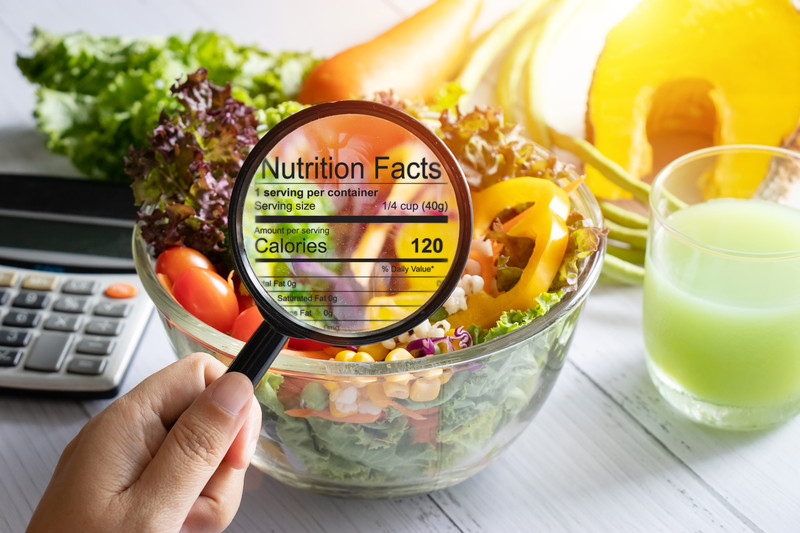
Eating a balanced, whole food diet is one of the best things you can do for your health. Fruits, vegetables, whole grains, lean proteins, and healthy fats provide the vitamins, minerals, and antioxidants your body needs to function at its best. But is food alone enough to meet all your nutritional needs?
The short answer is: sometimes yes, but often no. While it is possible to get most nutrients from a well rounded diet, many factors in modern life make it challenging to consistently reach optimal levels. Here’s what to consider.
Soil Depletion Reduces Nutrient Content
Decades of industrial farming have significantly reduced the amount of vitamins and minerals in our soil. When soil becomes depleted, crops grown in it contain fewer nutrients than they once did. This means the spinach, lettuce, or broccoli you eat today may not be as nutrient dense as the same foods your grandparents ate.
Even with a diet rich in produce, declining soil quality can make it difficult to get optimal levels of minerals like magnesium, selenium, and zinc.
Food Choices Are Often Limited or Inconsistent
Many people eat the same foods week after week. While routine can make meal planning easier, it can also limit nutrient diversity. Some people avoid entire food groups because of allergies, intolerances, or dietary preferences, such as:
-
Dairy free
-
Vegan or vegetarian
-
Gluten free
-
Low fat diets
These diets can be healthy, but they also increase the risk of missing key nutrients such as B12, iron, calcium, iodine, and omega 3 fatty acids.
Higher Nutrient Needs at Different Life Stages
Your nutrient requirements change throughout life, and sometimes food alone cannot keep up with those changing demands.
For example:
-
Pregnancy increases the need for folate, iron, calcium, and choline.
-
Older adults often need more vitamin D, B12, and magnesium.
-
Athletes use up electrolytes, amino acids, and antioxidants at a faster rate.
-
Chronic stress depletes magnesium and B vitamins more quickly.
Even with careful planning, meeting these increased needs through diet alone can be difficult.
Digestive Health Impacts Absorption
Even if your diet is excellent, your body still has to absorb the nutrients you eat. Digestive conditions such as IBS, celiac disease, Crohn’s disease, low stomach acid, or long term medication use can interfere with nutrient absorption.
Common nutrients impacted by poor absorption include:
-
B12
-
Iron
-
Magnesium
-
Calcium
-
Vitamin D
For many people with digestive challenges, supplements help restore levels more effectively than food alone.
Modern Lifestyles Increase Nutrient Loss
Stress, lack of sleep, caffeine, alcohol, and exposure to environmental toxins all increase the body’s nutrient demands. For instance:
-
Caffeine increases magnesium excretion.
-
Alcohol depletes B vitamins and zinc.
-
Stress rapidly uses up vitamin C and B vitamins.
These lifestyle factors often make supplementation beneficial, even for those who eat well.
So, Is Food Alone Enough?
A nutrient rich diet should always be your foundation, but for many people, food alone may not reliably meet all nutrient needs. This does not mean supplements replace healthy eating. Instead, they fill the gaps and help your body function optimally.
A high quality multivitamin, targeted minerals, or supplements like omega 3s and vitamin D can complement your diet and support long term health.
Finding the Right Balance
The best approach includes:
-
Eating a wide variety of whole foods
-
Prioritizing fruits and vegetables
-
Including healthy fats and lean proteins
-
Adding supplements when diet or lifestyle creates gaps
Food nourishes your body, and supplements offer support where modern life falls short. The combination of both helps you stay energized, resilient, and well nourished at every stage of life.