
If food suddenly tastes bland, metallic, or less enjoyable than usual, your body may be signaling a zinc deficiency. Zinc plays a key role in maintaining your sense of taste and regulating appetite, yet it is often overlooked.
Zinc supports the health of taste buds by helping produce a protein necessary for proper flavor perception. When zinc levels are low, taste sensitivity can decline, a condition known as hypogeusia. This may lead to reduced enjoyment of food and a decreased appetite.
Beyond taste, zinc is essential for digestion. It supports stomach acid and digestive enzyme production, which help break down food and absorb nutrients. Low zinc levels can contribute to poor digestion and may even affect the absorption of other nutrients like iron and B12.
Zinc also plays a critical role in immune function. It helps regulate immune cell activity and supports the body’s ability to respond to infections. Illness and chronic stress can further deplete zinc levels, creating a cycle of weakened immunity and reduced nutrient absorption.
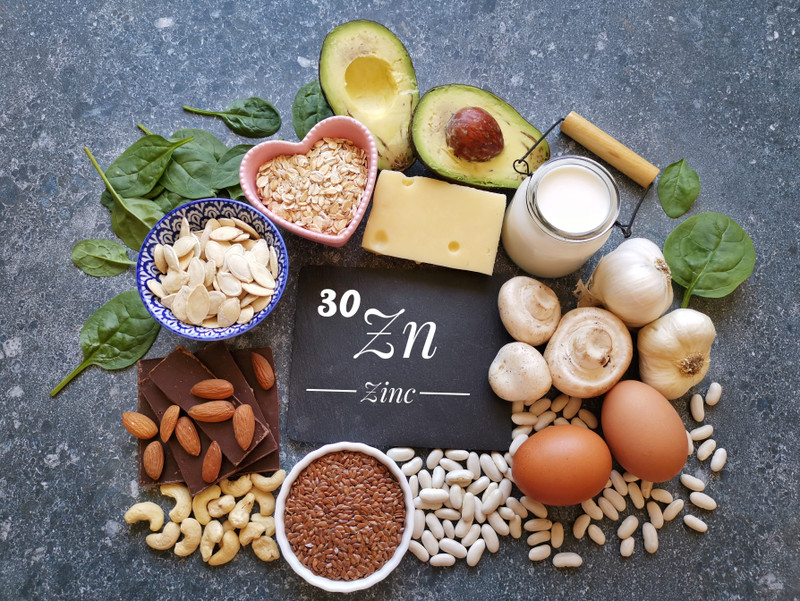
Good sources of zinc include pumpkin seeds, seafood, beef, eggs, legumes, and whole grains. Individuals under stress, older adults, vegetarians, and those with digestive issues may be at higher risk for deficiency. In these cases, supplementation may help restore adequate levels and support taste, digestion, and immune resilience.
Recommended: Chelated Zinc 50 mg by Dee Cee Labs
Taste is more than a pleasure. It is a reflection of internal balance. If your sense of taste or appetite has changed unexpectedly, zinc status may be worth considering as part of your overall nutritional health.