
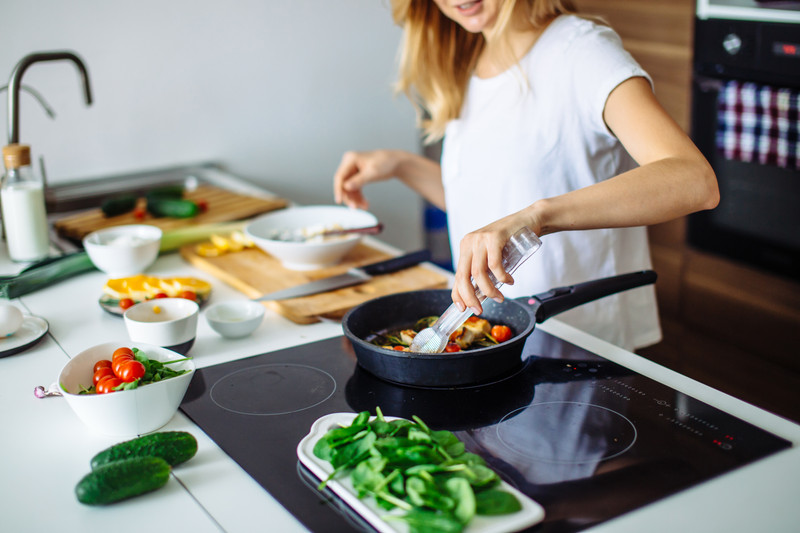
The way you cook your food matters just as much as what you eat. While cooking improves flavor, texture, and food safety, it can also change the nutrient content of your meals. Some cooking methods preserve vitamins and minerals, while others cause significant nutrient loss. Understanding how heat, water, and cooking time affect nutrients can help you make smarter choices that support better health.
Here is how common cooking methods influence nutrient retention and how to get the most nutrition from the foods you prepare.
Why Cooking Changes Nutrients
Nutrients react differently to heat, light, oxygen, and water. Water soluble vitamins like vitamin C and B vitamins are especially sensitive to heat and leaching into water. Fat soluble vitamins like A, D, E, and K are more stable but can still degrade with excessive heat or long cooking times.
Minerals such as calcium, magnesium, iron, and zinc are more heat stable, but they can still be lost when cooking liquids are discarded. The goal is not to avoid cooking altogether, but to use methods that preserve as much nutritional value as possible.
Boiling: High Loss, Especially for Vitamins
Boiling is one of the most common cooking methods, but it is also one of the least nutrient friendly. When vegetables are boiled, water soluble vitamins like vitamin C, folate, and B vitamins easily leach into the cooking water.
Leafy greens, broccoli, and carrots can lose a significant portion of their vitamin content when boiled for long periods. Minerals may also be lost if the cooking water is poured down the drain.
If you do boil foods, using the leftover water in soups or sauces helps reclaim some of the nutrients.
Steaming: One of the Best Options
Steaming is one of the best cooking methods for preserving nutrients. Because food is not submerged in water, fewer vitamins and minerals are lost. Steaming also uses lower temperatures than boiling, which helps protect heat sensitive compounds.
Vegetables like broccoli, spinach, green beans, and cauliflower retain more vitamin C, folate, and antioxidants when steamed lightly rather than boiled.
Steaming until just tender, not overcooked, is key to maximizing nutrient retention.
Sautéing and Stir Frying: Nutrient Friendly When Done Gently
Sautéing and stir frying can be nutrient friendly when done quickly over moderate heat using healthy fats. Fat soluble vitamins such as vitamins A and K are better absorbed when vegetables are cooked with a small amount of oil.
Using olive oil or avocado oil helps support nutrient absorption while keeping heat damage low. Overheating oils or cooking for too long, however, can degrade both nutrients and fats.
Short cooking times and constant movement help preserve antioxidants and vitamins.
Roasting and Baking: Flavorful but Heat Sensitive
Roasting and baking enhance flavor and texture, but higher temperatures and longer cooking times can reduce nutrient levels. Vitamin C and some B vitamins are particularly vulnerable.
That said, roasting can increase the availability of certain antioxidants, such as lycopene in tomatoes. This means some nutrients become easier for the body to absorb after cooking.
Roasting vegetables at moderate temperatures and avoiding excessive browning helps limit nutrient loss.
Grilling: Nutrient Changes and Caution Needed
Grilling adds bold flavor, but high heat can destroy heat sensitive vitamins and create potentially harmful compounds if food becomes charred. Protein-rich foods grilled at very high temperatures may also produce substances that increase oxidative stress.
To reduce nutrient loss and avoid over charring, marinate foods before grilling, cook at lower temperatures when possible, and remove blackened portions.
Microwaving: Surprisingly Effective
Microwaving often preserves nutrients better than boiling or roasting because cooking times are short and little water is used. Vegetables microwaved with minimal liquid tend to retain more vitamin C and B vitamins.
Using microwave safe containers and avoiding overcooking helps protect nutrient content. This method can be a practical option for busy schedules without sacrificing nutrition.
Raw vs Cooked: Both Have Benefits
Raw foods contain enzymes and heat sensitive vitamins, but cooking improves digestibility and increases the availability of some nutrients. For example, cooking carrots increases beta carotene absorption, while cooking tomatoes boosts lycopene availability.
A balance of raw and cooked foods provides the widest range of nutrients and digestive benefits.
Tips for Preserving Nutrients While Cooking
-
Use minimal water whenever possible
-
Choose steaming, sautéing, or microwaving over boiling
-
Cook for shorter times at moderate temperatures
-
Keep vegetable skins on when appropriate
-
Use cooking liquids in soups or sauces
-
Pair vegetables with healthy fats to improve absorption
Cooking Smarter for Better Nutrition
Cooking does not have to mean sacrificing nutrition. By choosing the right methods and avoiding excessive heat or water, you can protect the vitamins and minerals in your food while still enjoying flavorful, satisfying meals.
The best approach is variety. Mixing cooking methods and including both raw and cooked foods helps ensure you get the full range of nutrients your body needs. With a few simple adjustments, your kitchen can become one of the most powerful tools for supporting long term health.