
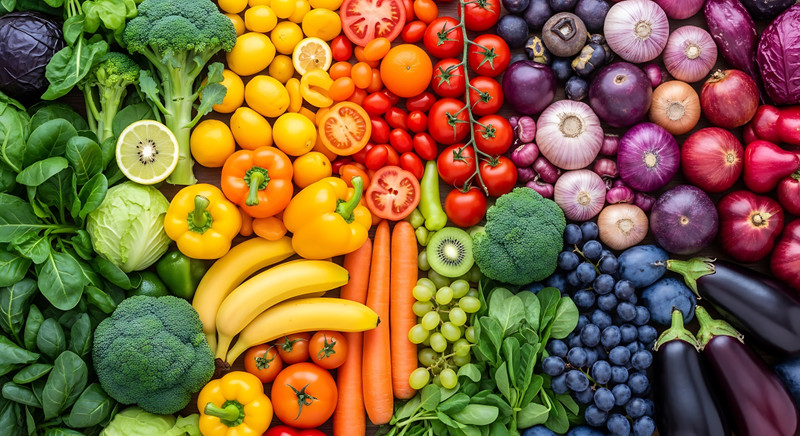
If you have ever noticed how a vibrant salad or a colorful fruit bowl just feels healthier, there’s a science behind that instinct. The natural colors of fruits and vegetables are more than visual appeal. They’re clues about the unique nutrients and antioxidants inside. Each hue represents a different family of plant compounds that support everything from heart health to immunity to brain function.
Understanding the connection between color and nutrition can help you choose a wider variety of produce and ensure you're getting a balanced range of vitamins, minerals, and antioxidants. Here is what each color group brings to the table and why eating the rainbow truly matters.
Red Produce: Heart and Immune Support
Red fruits and vegetables often contain lycopene and anthocyanins, two powerful antioxidants with research backed benefits.
Common nutrients in red produce include:
-
Lycopene for heart and prostate health
-
Vitamin C for immune support
-
Anthocyanins for reduced inflammation
Examples: tomatoes, strawberries, watermelon, red bell peppers, cherries, raspberries, and beets.
Red produce is especially supportive of cardiovascular health and may help protect cells from oxidative stress.
Orange and Yellow Produce: Vision and Skin Health
Orange and yellow foods derive much of their color from beta carotene, a precursor to vitamin A. This group is often linked to eye health, immune strength, and glowing skin.
Common nutrients in orange and yellow produce include:
-
Beta carotene for vitamin A production
-
Vitamin C for collagen formation
-
Flavonoids for antioxidant protection
Examples: carrots, sweet potatoes, oranges, mangoes, squash, pineapple, and yellow peppers.
These foods help maintain healthy vision, support youthful skin, and protect your cells from daily stress.
Green Produce: Detoxification and Bone Strength
Green vegetables are nutritional powerhouses. Their color comes from chlorophyll, while their nutrient profile includes folate, vitamin K, magnesium, fiber, and a wide range of antioxidants.
Common nutrients in green produce include:
-
Vitamin K for bone health
-
Folate for cell repair
-
Lutein and zeaxanthin for eye protection
-
Magnesium for muscle and nerve function
Examples: spinach, kale, broccoli, Brussels sprouts, kiwi, green apples, and cucumbers.
Cruciferous greens also contain sulforaphane, a compound known to support the body’s natural detox processes.
Blue and Purple Produce: Brain and Cellular Protection
Blue and purple foods owe their color to anthocyanins, potent antioxidants that support brain health, memory, and healthy aging.
Common nutrients in blue and purple produce include:
-
Anthocyanins for reduced inflammation
-
Resveratrol for cardiovascular support
-
Vitamin C for immune and skin health
Examples: blueberries, blackberries, purple cabbage, plums, eggplant, and grapes.
These pigments help protect brain cells from oxidative stress and may support healthy blood flow to the brain.
White and Brown Produce: Immunity and Heart Health
White, tan, and brown produce may not be as colorful, but they still offer impressive nutrients. Many contain allicin, a compound known for its antimicrobial and cardiovascular benefits.
Common nutrients in white and brown produce include:
-
Allicin for immune and heart support
-
Potassium for healthy blood pressure
-
Fiber for digestion
-
Vitamin C in some varieties
Examples: garlic, onions, potatoes, mushrooms, cauliflower, bananas, and parsnips.
These foods often support immune function, healthy cholesterol levels, and strong bones.
Why Eating the Rainbow Matters
Each color group offers a unique set of phytonutrients, and no single color provides everything your body needs. By filling your plate with multiple colors each day, you naturally increase your intake of antioxidants, vitamins, minerals, and fiber.
Eating a rainbow of produce helps support:
-
A strong immune system
-
Healthy digestion
-
Balanced inflammation
-
Heart and brain health
-
Better energy and improved recovery
Color diversity in your meals is one of the simplest ways to boost overall nutrition without overthinking it.
A Colorful Plate Is a Nutrient-Rich Plate
The next time you shop for produce or prepare a meal, take note of the colors you are choosing. If your plate looks too beige or too green, add red berries, orange peppers, purple cabbage, or whatever color you’re missing. Small changes increase nutrient variety and help support long term health.
Your body thrives on diversity, and each vibrant hue offers something unique. When you eat the rainbow, you nourish your body with the full spectrum of nature’s most powerful nutrients.