
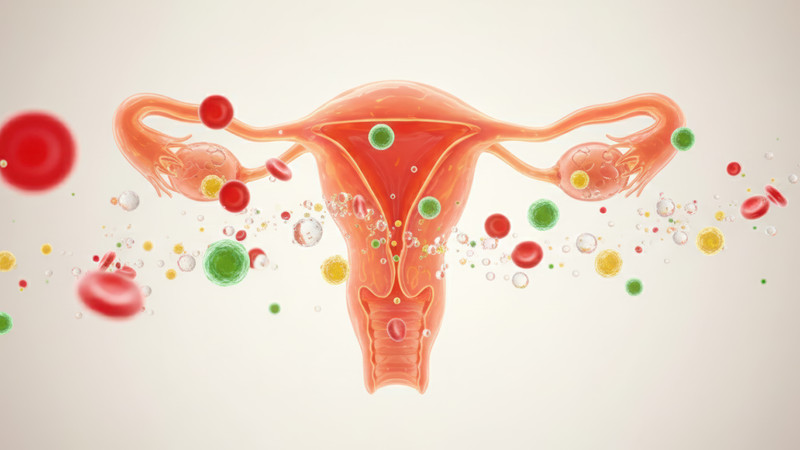
Your nutrient needs are not static throughout the month. Hormonal shifts across the menstrual cycle influence energy levels, mood, digestion, muscle tension, and how well your body uses certain vitamins and minerals. Understanding these week by week changes can help you support your body more intentionally and reduce common cycle-related symptoms like fatigue, cramps, and irritability.
Below is a general breakdown of how nutrient needs often shift across a typical 28 day cycle. Individual cycles may vary, but these patterns provide a helpful guide.
Week 1: Menstrual Phase (Days 1 to 5)
This phase begins on the first day of your period. Estrogen and progesterone are at their lowest, and the body is shedding the uterine lining, which increases nutrient demands.
Iron needs increase due to blood loss and help support oxygen delivery and energy levels. Magnesium supports muscle relaxation and may help reduce cramping and headaches. B vitamins, especially B12 and folate, support red blood cell production and energy metabolism during recovery.
Recommended: Hemo Chelate by Dee Cee Labs, Magnesium Super Potency by Dee Cee Labs, Unique B-12 by Dee Cee Labs
Week 2: Follicular Phase (Days 6 to 13)
After menstruation ends, estrogen begins to rise. Energy, motivation, and focus often improve as the body prepares for ovulation.
B vitamins remain important to support energy production, neurotransmitter balance, and estrogen metabolism. Iron needs stabilize, but maintaining adequate intake supports rebuilding iron stores. Zinc supports hormone balance and ovarian health during follicle development.
Recommended: Unique B-12 by Dee Cee Labs, Zinc 50 mg by Dee Cee Labs
Week 3: Ovulatory Phase (Around Day 14)
Ovulation occurs when estrogen peaks. This phase is often associated with higher energy and mental clarity, but it also increases metabolic activity.
Calcium supports muscle contraction, nerve signaling, and overall stability during this hormonally active window. Magnesium continues to support nervous system balance and muscle relaxation.
Recommended: Calcium Magnesium with Vitamin D by Dee Cee Labs
Week 4: Luteal Phase (Days 15 to 28)
After ovulation, progesterone rises and estrogen declines. This phase is when PMS symptoms such as bloating, mood changes, cravings, headaches, and fatigue are most common.
Magnesium needs increase to support relaxation, sleep quality, and cramp reduction. Calcium supports mood stability and may help reduce PMS related discomfort. Vitamin B6 supports neurotransmitter balance and may help with bloating and irritability.
Recommended: Magnesium Super Potency by Dee Cee Labs, Calcium 600 with D by Dee Cee Labs, Vitamin B6 100mg by Dee Cee Labs
Why Nutrient Timing Matters
Hormones influence how nutrients are used, stored, and depleted. Stress, poor sleep, intense exercise, and digestive issues can further increase nutrient needs at different points in the cycle. Supporting your body with the right nutrients at the right time may help reduce symptom severity and improve overall cycle balance.
Listening to Your Cycle
Tracking your cycle and noticing patterns in energy, mood, and physical symptoms can help you personalize your nutrient support. While diet should always be the foundation, targeted supplementation can help fill gaps and support your body through its natural monthly rhythms.
Your menstrual cycle is not something to fight against. With intentional nutritional support, it can become a valuable guide for understanding your body and supporting balance throughout the month.