
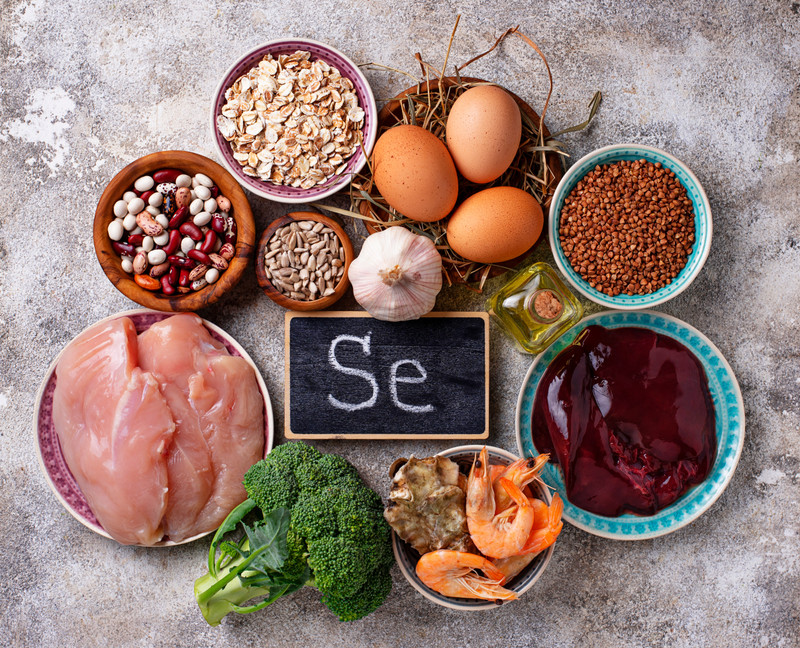
Selenium is not a nutrient that gets much attention. It does not trend on wellness blogs the way magnesium or vitamin D does. It is required in small amounts, which makes it easy to overlook. But this trace mineral quietly plays a powerful role in thyroid health, immune balance, antioxidant protection, and even aging.
Despite its importance, many people are not getting consistent selenium intake, largely because its levels in food depend heavily on soil quality.
Why Selenium Matters More Than You Think
Selenium’s primary job is to support antioxidant enzymes in the body. These enzymes help neutralize free radicals and reduce oxidative stress. Without adequate selenium, cells become more vulnerable to damage over time.
One of the most important selenium dependent enzymes is glutathione peroxidase, which helps protect tissues from inflammation and cellular stress. This makes selenium particularly important for long term health and healthy aging.
Selenium and Thyroid Function
The thyroid gland actually contains one of the highest concentrations of selenium in the body. That is because selenium is required to convert thyroid hormone T4 into its active form, T3.
If selenium levels are low, thyroid hormone conversion may not occur efficiently. This can contribute to symptoms such as fatigue, brain fog, sluggish metabolism, and cold sensitivity. Selenium also helps protect the thyroid from oxidative damage during hormone production.
For people concerned about thyroid balance, selenium is often an overlooked but essential piece of the puzzle.
Immune and Inflammatory Balance
Selenium supports immune function by helping regulate inflammatory responses. It does not simply stimulate immunity. It helps the immune system respond appropriately without becoming overactive.
Low selenium levels have been associated with increased oxidative stress and impaired immune resilience. In a world filled with environmental stressors, selenium helps maintain balance at the cellular level.
Why Intake Can Be Inconsistent
Selenium is found in foods like Brazil nuts, eggs, seafood, whole grains, and sunflower seeds. However, the selenium content of plant foods varies widely depending on the soil where they are grown. In areas with low selenium soil levels, even a healthy diet may not provide adequate intake.
Because you only need small amounts, even a mild deficiency can go unnoticed while still affecting long-term health.
Small Mineral, Big Impact
Selenium may be a trace mineral, but its impact is anything but small. From supporting thyroid hormone conversion and antioxidant defense to maintaining immune balance, it plays a foundational role in overall wellness.
If you have never considered selenium as part of your nutrition strategy, it may be worth a closer look. Sometimes the nutrients we hear about the least are the ones working hardest behind the scenes.