
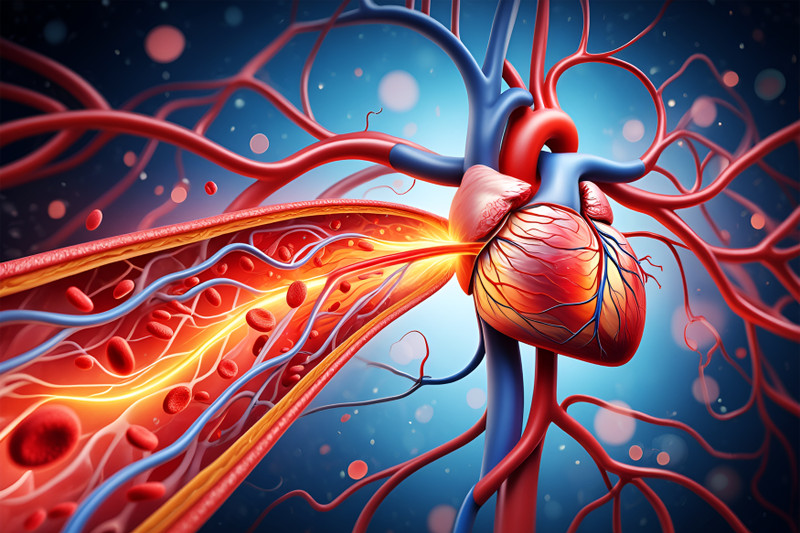
Healthy circulation is essential for delivering oxygen and nutrients throughout the body while removing waste products efficiently. Good blood flow supports heart health, brain function, muscle performance, and even skin vitality. While lifestyle factors like movement and hydration are important, specific vitamins and minerals play a key role in keeping your circulatory system functioning smoothly.
Understanding how these nutrients work can help you better support blood flow and overall cardiovascular wellness.
Magnesium: Supporting Blood Vessel Relaxation
Magnesium is one of the most important minerals for circulatory health. It helps relax blood vessels, which allows blood to flow more freely and supports healthy blood pressure. Magnesium also plays a role in regulating heart rhythm and reducing muscle tension in the vascular system.
Low magnesium levels are common and may contribute to tight blood vessels, poor circulation in the hands and feet, and increased cardiovascular strain. Stress, caffeine, and processed foods can all deplete magnesium levels.
Potassium: Balancing Fluids and Blood Pressure
Potassium works closely with sodium to regulate fluid balance and blood pressure. Adequate potassium helps counteract excess sodium, supporting healthy vessel function and circulation. It also supports proper nerve signaling and muscle contractions, including the muscles that help move blood through veins.
Diets low in fruits and vegetables often fall short on potassium, which can negatively affect circulation over time.
Vitamin C: Strengthening Blood Vessels
Vitamin C is essential for collagen production, which helps maintain the strength and elasticity of blood vessels. Strong, flexible vessels allow blood to move efficiently and reduce strain on the cardiovascular system.
Vitamin C also acts as an antioxidant, protecting blood vessels from oxidative stress that can impair circulation. It supports healthy nitric oxide levels, which help blood vessels dilate naturally.
Vitamin E: Supporting Healthy Blood Flow
Vitamin E helps protect red blood cells and supports smooth blood flow by reducing oxidative damage. It plays a role in maintaining healthy circulation, especially in smaller blood vessels, and may help prevent excessive clotting when consumed in balanced amounts.
Because vitamin E is fat soluble, it is best absorbed when consumed with healthy fats.
Iron: Delivering Oxygen Throughout the Body
Iron is essential for producing hemoglobin, the protein in red blood cells that carries oxygen. Without enough iron, circulation may still function, but oxygen delivery becomes inefficient, leading to fatigue, weakness, and cold extremities.
Women, athletes, and individuals with digestive conditions are more likely to experience low iron levels, which can impact overall circulatory performance.
Vitamin B12 and Folate: Supporting Healthy Red Blood Cells
Vitamin B12 and folate help produce healthy red blood cells and prevent anemia. They also help regulate homocysteine levels, an amino acid that, when elevated, may negatively affect blood vessel health.
Adequate intake supports proper oxygen transport and smooth circulation, especially as we age.
Zinc: Supporting Vascular Repair
Zinc supports cell repair and immune function, including the maintenance of blood vessel lining. It also plays a role in nitric oxide production, which helps blood vessels relax and improve circulation.
Low zinc levels may contribute to slower healing and impaired vascular function.
Supporting Circulation Through Nutrition
A circulation supportive diet includes a variety of fruits, vegetables, whole grains, lean proteins, nuts, seeds, and healthy fats. Staying hydrated, managing stress, and moving your body regularly all work together with nutrition to promote healthy blood flow.
When dietary intake is inconsistent or needs are higher, targeted supplementation can help fill nutritional gaps and support long-term circulatory health.
Keeping Blood Flow Strong
Circulatory health depends on more than just the heart. Vitamins and minerals help blood vessels stay flexible, red blood cells deliver oxygen efficiently, and blood pressure remain balanced. By supporting your body with the right nutrients and healthy daily habits, you can help keep your circulation strong and your entire body functioning at its best.