
Creatine is often associated with athletes, strength training, and sports performance, but its benefits may extend well beyond the gym. As research on healthy aging continues to grow, creatine has gained attention for its potential role in supporting muscle mass, strength, physical function, cellular energy, and certain aspects of cognitive health.
Because the body naturally produces creatine and stores much of it in skeletal muscle, maintaining adequate creatine availability may become especially valuable as preserving strength and independence becomes a greater priority with age.
Creatine Helps Support Cellular Energy
Creatine helps the body rapidly regenerate ATP, the primary form of energy used by cells. Most creatine is stored in muscle as phosphocreatine, where it can help replenish ATP during short periods of increased energy demand.
This energy system is important for exercise, but ATP is also needed for countless everyday cellular functions. Muscles, the brain, and other energy-demanding tissues all depend on efficient energy production.
Preserving Muscle Becomes More Important With Age
Adults naturally tend to lose muscle mass and strength as they get older. Maintaining muscle is important for much more than appearance. Healthy muscle supports:
- Strength
- Balance
- Mobility
- Metabolic health
- Daily activities
- Long-term independence
Creatine supplementation is particularly well studied when combined with resistance training. Research suggests that creatine can help support gains in lean body mass and strength in older adults participating in strength-training programs.
Creatine is not a replacement for exercise or adequate dietary protein, but it can complement these healthy aging strategies.
Creatine May Support Better Training
One way creatine can contribute to healthy aging is by helping people get more out of resistance exercise.
By supporting rapid energy production during demanding activity, creatine may help with strength, power, and training capacity. Over time, being able to perform resistance exercise consistently can help maintain the muscles needed for walking, climbing stairs, carrying groceries, getting up from a chair, and staying active.
For older adults, maintaining these everyday abilities can be an important part of preserving quality of life.
What About Brain Health?
Muscle is not the only tissue that uses creatine. The brain also has high energy demands and contains its own creatine and phosphocreatine system.
Research is examining whether supplemental creatine may help support aspects of cognitive performance, particularly when the brain is under greater energy demands. Some studies have reported benefits involving memory and other cognitive measures, although results are not consistent across every population or outcome.
This growing area of research has made creatine especially interesting in conversations about healthy aging because maintaining both physical and cognitive function matters.
Creatine and Recovery
Healthy aging also depends on the ability to stay active and recover appropriately.
Creatine supports the muscles' energy system and may complement a recovery routine that includes adequate protein, carbohydrates, hydration, micronutrients, and sleep. Its strongest benefits are generally seen as part of a broader lifestyle that includes regular resistance exercise and good nutrition.
Creatine by Dee Cee Laboratories
Dee Cee Laboratories offers creatine in two convenient formats, allowing you to choose the option that works best for your daily routine.
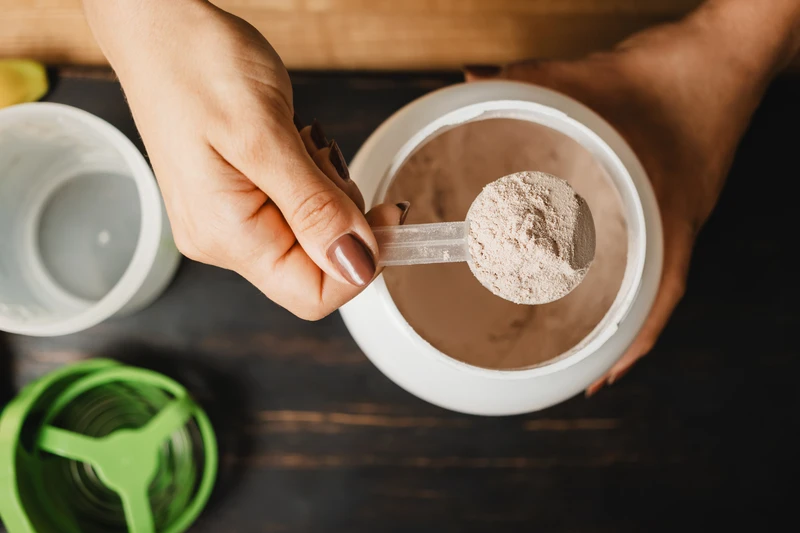
Creatine Powder offers a simple way to incorporate creatine into shakes, smoothies, or other beverages. Powder can be especially convenient for individuals who prefer mixing supplements into their daily nutrition routine.
Creatine Capsules provide another convenient option for people who prefer capsules over mixing a powder. They make it easy to include creatine in a regular supplement routine at home or while traveling.
Both formats provide creatine designed to support power and strength as part of an active lifestyle.
Creatine Is Not Just for Athletes
Creatine has earned its reputation as a performance supplement, but its potential applications are much broader. Supporting muscle strength, lean tissue, cellular energy, exercise capacity, and potentially certain aspects of cognitive function makes creatine particularly interesting for healthy aging.
For the greatest benefit, think of creatine as one part of a complete healthy aging strategy that includes resistance training, adequate protein, nutrient-dense foods, quality sleep, and regular physical activity.
Maintaining strength and energy today can help support the active, independent lifestyle you want to preserve for the years ahead.