
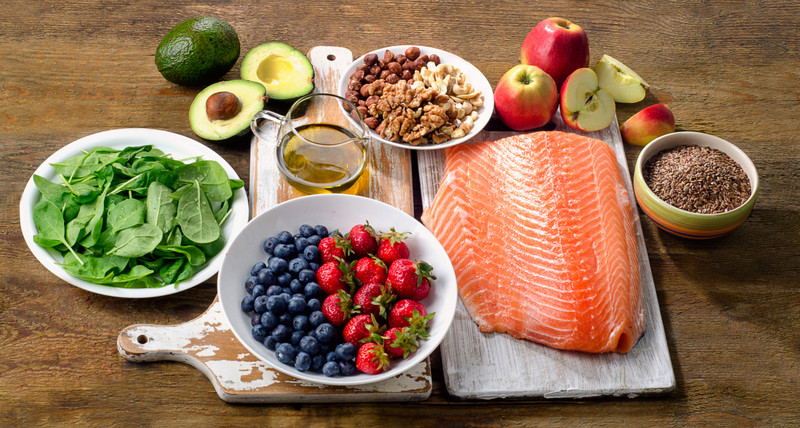
Stress is unavoidable, but how your body recovers from stress can make a big difference in how you feel day to day. When you experience stress, your body uses more nutrients to produce energy, regulate hormones, and repair tissues. Without proper nutrition, recovery can take longer, leaving you feeling tired, overwhelmed, and more vulnerable to illness.
Choosing the right foods and nutrients can help your body recover more effectively and support a healthy response to stress.
Magnesium Rich Foods for Relaxation
Magnesium is one of the most important nutrients for stress recovery. It supports muscle relaxation, helps calm the nervous system, and promotes restful sleep. During stressful periods, magnesium levels can drop quickly, making it harder for your body to relax and recharge.
Foods rich in magnesium include leafy greens, almonds, pumpkin seeds, black beans, and whole grains. Including these foods regularly can help support relaxation and improve recovery after stressful days.
Vitamin C Foods for Adrenal Support
Vitamin C plays a key role in supporting the adrenal glands, which are responsible for producing stress hormones. During periods of stress, your body uses more vitamin C to protect cells from oxidative damage and maintain immune strength.
Citrus fruits, strawberries, bell peppers, broccoli, and kiwi are excellent sources of vitamin C. Adding these foods to meals and snacks can help support immune health and assist your body in recovering from stress-related strain.
B Vitamins for Energy and Mood
B vitamins help convert food into energy and support brain function and mood balance. Stress increases the body’s demand for B vitamins, which can lead to fatigue and mental fog if intake is too low.
Foods such as eggs, whole grains, leafy greens, legumes, and lean meats provide a variety of B vitamins that support energy production and nervous system function. Including these foods throughout the day helps maintain steady energy levels during stressful times.
Omega 3 Fatty Acids for Inflammation Control
Omega 3 fatty acids support brain health and help regulate inflammation in the body. Chronic stress can increase inflammation, which may contribute to fatigue, joint discomfort, and slower recovery.
Fatty fish such as salmon, sardines, and mackerel are excellent sources of omega 3s. Plant-based sources such as flaxseeds and walnuts can also contribute to omega 3 intake. Including these foods regularly supports both brain and body recovery after stress.
Protein for Tissue Repair and Recovery
Stress places additional demands on the body’s tissues and muscles. Protein provides amino acids that help repair tissues, maintain muscle strength, and support immune health. Without enough protein, recovery from stress may feel slower and less effective.
Lean meats, poultry, fish, eggs, dairy, beans, and lentils are reliable protein sources that support recovery and overall strength. Including protein in every meal helps your body rebuild and maintain resilience during stressful periods.
Supporting Recovery Through Nutrition
Recovering from stress requires more than rest alone. Your body depends on nutrient-rich foods to repair tissues, regulate hormones, and restore energy levels. By focusing on magnesium-rich foods, vitamin C sources, B vitamins, omega 3 fatty acids, and protein, you can give your body the tools it needs to bounce back more effectively. Small dietary changes can make a noticeable difference in how well your body handles and recovers from daily stress.