
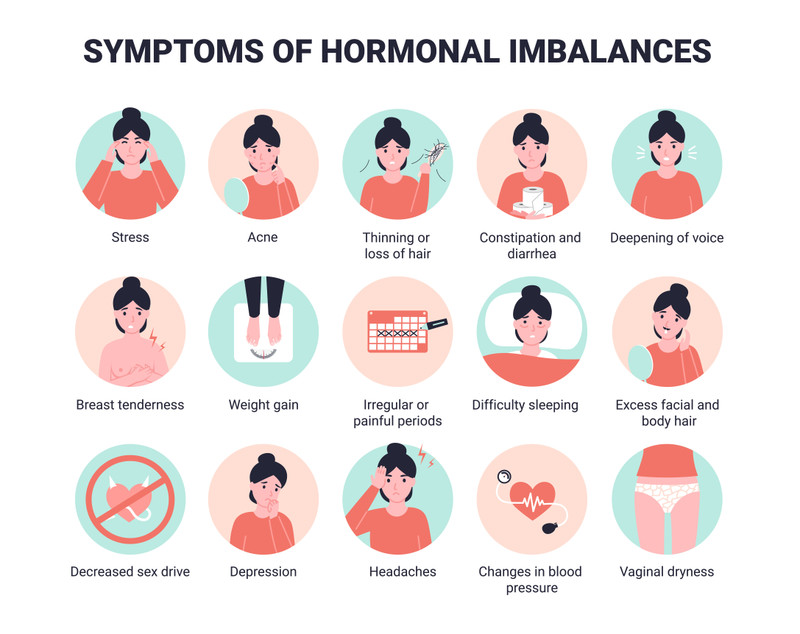
Hormones influence nearly every function in the body, including metabolism, energy levels, mood, sleep, and appetite. Throughout life, natural hormonal changes occur during puberty, pregnancy, menopause, and even periods of chronic stress. As hormone levels shift, your body’s nutritional needs can shift as well.
Understanding how hormones affect nutrient demands can help you support your body more effectively through every stage of life.
Hormones and Nutrient Balance
Hormones help regulate how the body uses nutrients, stores energy, and maintains balance. When hormone levels change, the body may require more of certain vitamins and minerals to support these processes.
For example, fluctuations in estrogen and progesterone can affect calcium levels, magnesium balance, and even how the body processes carbohydrates. Stress hormones such as cortisol may increase the demand for nutrients like vitamin C and B vitamins.
Without proper nutrition, hormonal changes may contribute to fatigue, mood swings, poor sleep, and reduced energy levels.
Key Nutrients Affected by Hormonal Changes
Iron
Women often need more iron during menstruation and pregnancy due to blood loss and increased demands on the body. Low iron levels can lead to fatigue, weakness, and difficulty concentrating.
Iron-rich foods such as lean meats, spinach, beans, and fortified grains can help support healthy iron levels.
Try: Iron Glycinate
Magnesium
Magnesium supports muscle relaxation, nervous system balance, and sleep quality. Hormonal fluctuations, stress, and changes during the menstrual cycle can increase magnesium needs.
Low magnesium levels may contribute to muscle tension, headaches, irritability, and sleep disturbances.
Calcium and Vitamin D
As estrogen levels change with age, bone health becomes increasingly important. Calcium and vitamin D work together to support strong bones and maintain proper muscle and nerve function.
Women going through menopause may have increased calcium and vitamin D needs due to natural changes in bone density.
Try: Calcium 600 with D
B Vitamins
B vitamins support energy production and nervous system health. Hormonal shifts, stress, and fatigue can increase the body’s demand for these nutrients.
Adequate B vitamin intake helps support energy levels, mood balance, and mental clarity during hormonal changes.
Try: Unique B-12
Supporting Hormonal Health Through Nutrition
A balanced diet rich in whole foods can help support healthy hormone function and nutrient balance. Prioritizing lean proteins, healthy fats, colorful fruits and vegetables, and whole grains helps provide the nutrients your body needs during hormonal changes.
Healthy fats such as omega 3 fatty acids are especially important because hormones are made from fat. Foods like salmon, walnuts, flaxseeds, and avocados help support hormone production and overall wellness.