
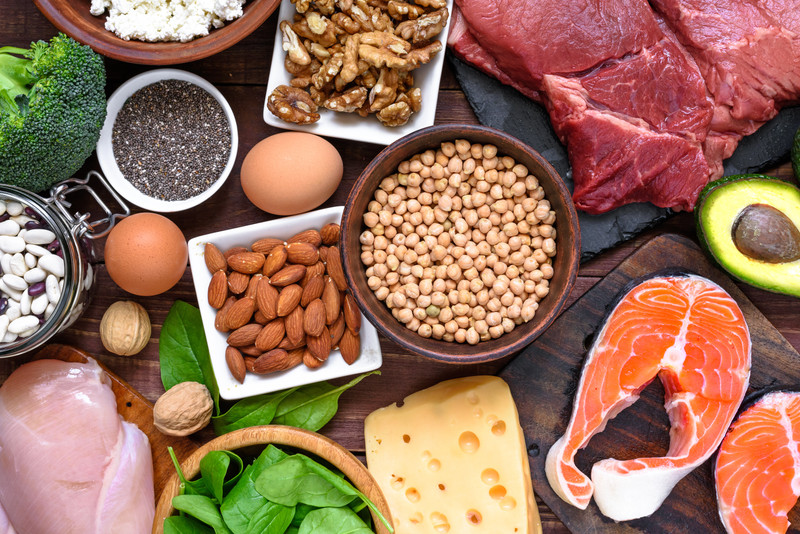
Protein is essential for building and maintaining muscle, repairing tissues, producing enzymes and hormones, and supporting many other everyday functions. But when it comes to nutrition, the amount of protein you eat is only part of the picture.
Protein quality also matters. Different protein sources provide different amounts of essential amino acids, vary in how easily they are digested, and often come packaged with different vitamins, minerals, and healthy fats. Understanding these differences can help you build a more balanced diet and get more nutritional value from the protein foods you choose.
What Does Protein Quality Mean?
Proteins are made from amino acids. Your body can produce some amino acids on its own, but nine are considered essential amino acids because they must come from your diet.
A high-quality protein generally provides all nine essential amino acids in adequate amounts and can be efficiently digested and absorbed by the body.
Animal proteins such as eggs, dairy products, fish, poultry, and meat typically contain all nine essential amino acids. Some plant foods, including soy, are also complete protein sources.
Other plant proteins may contain lower amounts of one or more essential amino acids, but that does not make them unhealthy or ineffective. Eating a varied diet can provide the amino acids your body needs across different meals and foods.
Amino Acid Balance Matters
Your body uses dietary protein to obtain amino acids for processes throughout the body. These amino acids contribute to:
- Building and maintaining muscle tissue
- Producing enzymes and hormones
- Supporting immune function
- Maintaining skin and connective tissue
- Creating neurotransmitters and other important compounds
- Repairing and replacing body tissues
One amino acid that receives particular attention is leucine, which plays a role in signaling muscle protein synthesis. Foods such as dairy products, eggs, meat, fish, soy, and some legumes can contribute leucine along with other essential amino acids.
Rather than focusing exclusively on one amino acid, however, aim for a variety of protein-rich foods that provide a broad amino acid profile.
Digestibility Influences What Your Body Can Use
A food may contain protein, but your body still has to digest that protein and absorb its amino acids.
Protein digestibility differs between food sources. Animal proteins generally have high digestibility, while certain plant proteins can be somewhat less digestible because plant structures and compounds such as fiber may affect how easily digestive enzymes access the protein.
Food preparation can help. Cooking, soaking, sprouting, and fermenting certain plant foods can improve digestibility and make some nutrients more available.
This is especially important for people who rely primarily on plant-based sources of protein. Eating enough total protein and choosing a variety of legumes, soy foods, whole grains, nuts, and seeds can help support adequate amino acid intake.
Protein Foods Provide More Than Protein
Choosing protein sources is also an opportunity to obtain other important nutrients.
Fish can provide protein along with omega-3 fatty acids, vitamin D, selenium, and vitamin B12.
Eggs provide protein as well as choline, vitamin B12, selenium, and several other micronutrients.
Dairy products can contribute protein, calcium, phosphorus, vitamin B12, and, when fortified, vitamin D.
Beans and lentils provide plant-based protein along with fiber, folate, iron, potassium, and magnesium.
Nuts and seeds combine protein with healthy fats, magnesium, vitamin E, and several trace minerals.
The healthiest approach is rarely choosing one "perfect" protein. Instead, rotating different sources gives your body a wider variety of nutrients.
Complete and Incomplete Proteins Can Work Together
You may have heard that plant proteins need to be combined at every meal to create a complete protein. For most healthy adults eating a varied diet, this level of meal-by-meal planning is generally unnecessary.
Your overall dietary pattern matters more. Eating foods such as beans, lentils, whole grains, nuts, seeds, and soy throughout the day can provide complementary amino acids.
Traditional combinations such as beans and rice are still excellent options because they provide complementary amino acid profiles while also contributing fiber, vitamins, and minerals.
How to Choose High-Quality Protein Foods
Protein quality does not mean you need to eat animal protein at every meal. Instead, think about variety, amino acid content, digestibility, and the overall nutritional value of the food.
Good options include:
- Eggs
- Fish and seafood
- Poultry
- Greek yogurt and cottage cheese
- Beans and lentils
- Tofu, tempeh, and edamame
- Nuts and seeds
- Whole grains combined with other plant proteins
Including protein throughout the day can also help ensure your body has a regular supply of amino acids available for normal maintenance and repair.
Quality and Variety Work Together
Getting enough protein is important, but grams alone do not tell the whole story. Protein quality influences the essential amino acids your body receives and how efficiently those amino acids can be digested and used.
The foods providing that protein matter too. Choosing a variety of high-quality animal and plant protein sources can supply amino acids alongside vitamins, minerals, healthy fats, and fiber.
A balanced approach to protein gives your body more than a number on a nutrition label. It provides the diverse nutritional building blocks needed to support muscles, tissues, metabolism, and whole-body wellness over time.