
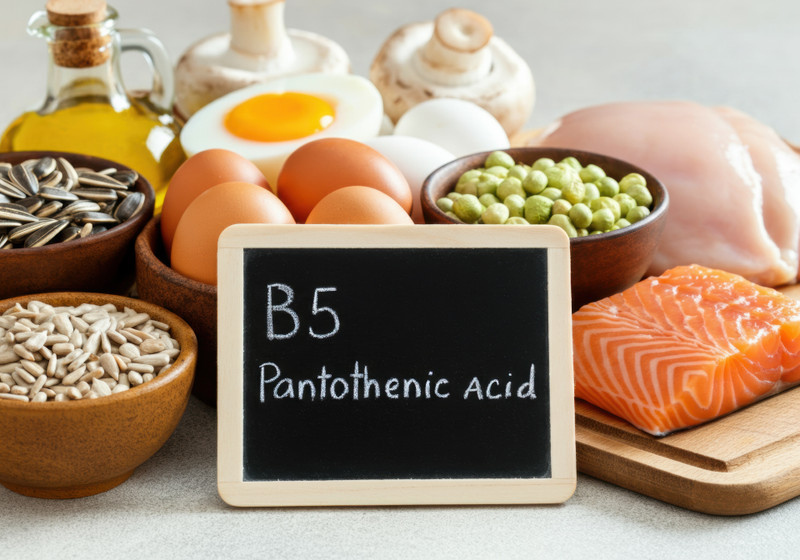
Pantothenic acid, also known as vitamin B5, does not get as much attention as some of the other B vitamins, but it plays an essential role in the way your body uses nutrients every day.
Vitamin B5 is involved in energy metabolism, fatty acid synthesis, hormone production, and many other cellular processes. Because it is found in such a wide variety of foods, deficiency is uncommon, but getting enough still matters for overall wellness.
Vitamin B5 Helps Your Body Use Food for Energy
One of pantothenic acid's most important jobs is helping form coenzyme A, often shortened to CoA.
Coenzyme A is involved in the metabolism of carbohydrates, fats, and proteins. These nutrients must go through a series of chemical reactions before your cells can use them efficiently, and CoA helps make many of those reactions possible.
This means vitamin B5 does not provide energy directly. Instead, it helps your body process the food you eat so that energy can be produced and used where it is needed.
It Plays a Role in Fat Metabolism
Pantothenic acid is especially important in the metabolism and synthesis of fatty acids.
Fats serve many purposes beyond providing calories. They help form cell membranes, support hormone production, protect organs, and help the body absorb fat-soluble vitamins.
Because CoA is involved in both breaking down and building fatty acids, vitamin B5 supports several processes related to normal fat metabolism.
Supporting Hormone and Cellular Function
Vitamin B5 also contributes to the synthesis of certain hormones and other important compounds.
Through its role in coenzyme A, pantothenic acid participates in processes involved in producing steroid hormones, cholesterol, and acetylcholine, a neurotransmitter used by the nervous system.
These responsibilities show why B5 has effects that reach well beyond basic energy production.
B Vitamins Work Together
Pantothenic acid is part of the larger B-complex family. B vitamins often work together in metabolic pathways, helping the body process nutrients and support normal cellular function.
For example, vitamins B1, B2, B3, B5, and B6 all participate in different steps involved in energy metabolism. Rather than focusing on only one B vitamin, a balanced diet helps provide the full range your body needs.
Foods That Provide Pantothenic Acid
Vitamin B5 is widely distributed in food, which is actually where its name comes from. The word "pantothenic" is derived from a Greek word meaning "from everywhere."
Good dietary sources include:
- Chicken and beef
- Eggs
- Milk and yogurt
- Mushrooms
- Avocados
- Potatoes
- Broccoli
- Whole grains
- Legumes
- Sunflower seeds
Eating a varied diet makes it easier to get pantothenic acid along with the other vitamins and minerals needed for healthy metabolism.
A Small Vitamin With a Major Metabolic Role
Pantothenic acid may be easy to overlook, but your metabolism depends on it every day. Its role in forming coenzyme A makes vitamin B5 essential for processing carbohydrates, fats, and proteins while also supporting fatty acid metabolism, hormone production, and normal cellular function.
A balanced, nutrient-dense diet usually provides plenty of vitamin B5, making it another good example of how everyday foods help power the many processes happening throughout your body.