
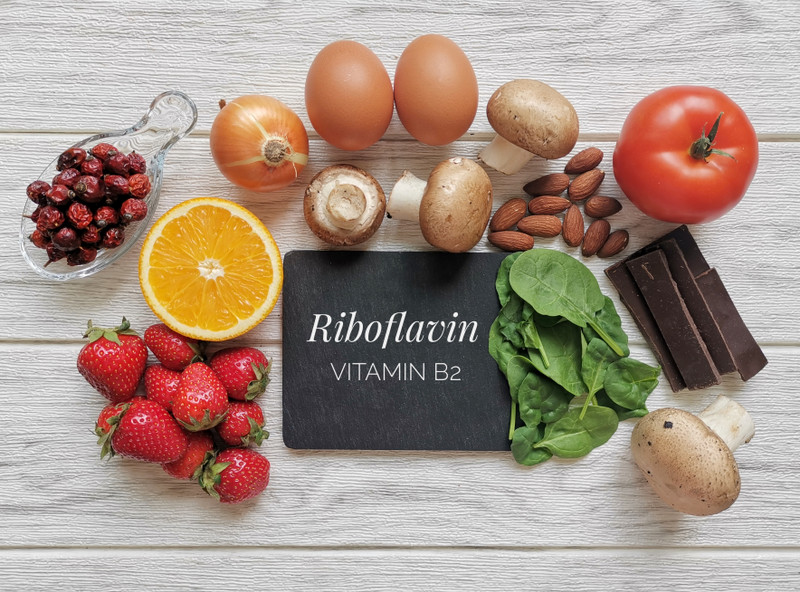
Riboflavin, also known as vitamin B2, rarely gets as much attention as vitamins B12 or B6. Yet this essential nutrient plays a major role in helping your cells produce energy from the foods you eat.
Your body cannot store large amounts of riboflavin, so a regular dietary supply is important. From energy metabolism to antioxidant protection, vitamin B2 quietly supports several processes that keep your body functioning every day.
Riboflavin Helps Turn Food Into Energy
Riboflavin does not provide energy on its own. Instead, your body uses it to make two important coenzymes called FMN and FAD.
These coenzymes participate in reactions that help the body metabolize carbohydrates, fats, and proteins. They are especially important inside the mitochondria, where nutrients are converted into ATP, the form of energy cells can readily use.
Because nearly every tissue depends on cellular energy, riboflavin contributes to processes throughout the entire body.
Supporting Mitochondrial Function
Mitochondria are often called the powerhouses of cells because they produce much of the energy required for cellular activity.
FAD, one of the coenzymes derived from riboflavin, participates directly in the mitochondrial pathways involved in ATP production. This makes adequate vitamin B2 intake an important part of supporting normal cellular energy metabolism.
Tissues with high energy demands, including the heart, muscles, and brain, depend heavily on efficient energy production.
Riboflavin Supports Antioxidant Defenses
Vitamin B2 also contributes to the body's natural antioxidant system. Riboflavin-derived FAD is needed by glutathione reductase, an enzyme that helps maintain glutathione in its active form.
Glutathione is one of the body's important antioxidant compounds, helping cells manage oxidative stress caused by normal metabolism and environmental factors.
This means riboflavin has responsibilities beyond simply helping your body process food.
B Vitamins Work Together
Like many nutrients, riboflavin does not work alone. Vitamin B2 contributes to processes involving several other nutrients, including vitamin B6, folate, niacin, and iron.
This is one reason eating a varied diet is more beneficial than focusing on a single vitamin. Providing the body with a broad range of B vitamins helps support the interconnected pathways involved in metabolism and cellular function.
Foods That Provide Riboflavin
Riboflavin can be found in a variety of animal and plant foods, including:
- Eggs
- Milk and yogurt
- Lean meats
- Fish
- Almonds
- Mushrooms
- Spinach
- Fortified cereals and grains
Because riboflavin is water-soluble, the body does not maintain large reserves. Consistently including vitamin B2-rich foods can help support adequate intake.
A Small Vitamin With an Essential Role
Riboflavin may be one of the less talked-about B vitamins, but its role in cellular energy is significant. It helps the body metabolize nutrients, supports mitochondrial energy production, and contributes to normal antioxidant defenses.
A balanced diet that supplies riboflavin along with the other B vitamins gives your cells important nutritional support for producing energy and carrying out their everyday functions.