
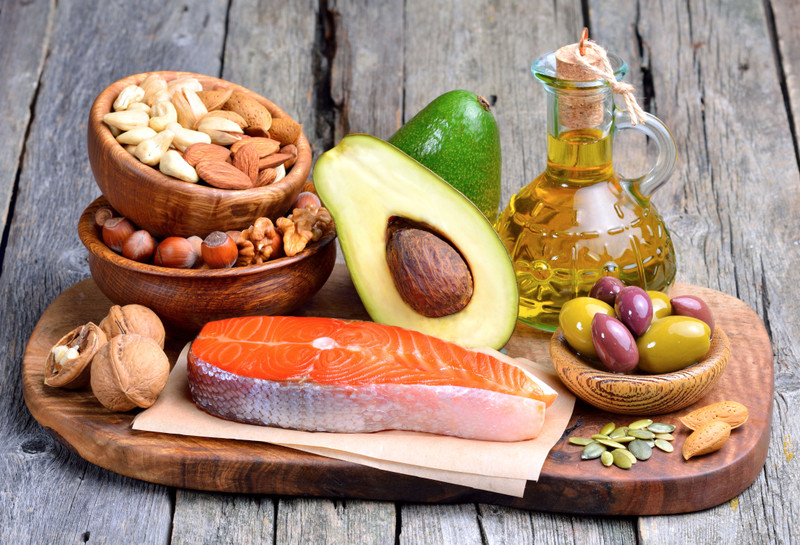
Fall meals are often built around warm, comforting foods like roasted vegetables, hearty soups, grain bowls, casseroles, and slow-cooked dishes. While carbohydrates and protein tend to get most of the attention, healthy fats are another important part of a balanced meal.
Fat provides energy, supports normal cell function, helps the body absorb certain vitamins, and contributes to the flavor and satisfaction of food. Choosing nutrient-rich sources of fat can make seasonal meals both more satisfying and more nutritionally complete.
Fat Helps Your Body Absorb Certain Vitamins
Some vitamins are fat-soluble, which means the body absorbs them more effectively when dietary fat is present.
These include:
-
Vitamin A
-
Vitamin D
-
Vitamin E
-
Vitamin K
Many fall foods naturally contain these nutrients. For example, sweet potatoes, pumpkin, carrots, and leafy greens provide compounds related to vitamin A or vitamin K.
Adding a source of healthy fat, such as olive oil, avocado, nuts, or seeds, can help your body make better use of these fat-soluble nutrients.
Try roasting vegetables with olive oil, adding avocado to a grain bowl, or topping oatmeal with nuts and seeds.
Healthy Fats Support Cell Structure
Every cell in the body is surrounded by a membrane made largely from lipids, or fats.
These membranes help regulate what enters and leaves cells while supporting normal cellular communication and function.
Essential fatty acids are particularly important because the body cannot make them on its own. They must come from the diet.
Omega-3 and omega-6 fatty acids are both essential and contribute to normal physiological processes throughout the body.
Omega-3 Fatty Acids Deserve Attention
Omega-3 fatty acids are commonly associated with heart and brain health.
Fatty fish such as salmon, sardines, mackerel, and trout provide EPA and DHA, two forms of omega-3 fatty acids that the body can readily use.
Plant foods can also provide ALA, another type of omega-3 fatty acid. Sources include:
-
Walnuts
-
Chia seeds
-
Flaxseed
-
Hemp seeds
Adding these foods to fall meals can be simple. Sprinkle walnuts over oatmeal, add chia or flaxseed to smoothies, or serve roasted salmon alongside seasonal vegetables.
Healthy Fats Can Make Meals More Satisfying
Fat contributes flavor and texture, but it can also help make meals feel more satisfying.
A salad made only from vegetables may not feel very filling, while adding avocado, nuts, seeds, cheese, or an olive oil-based dressing can create a more complete meal.
The same principle works with fall favorites.
Try adding:
-
Nut butter to oatmeal
-
Pumpkin seeds to soup
-
Avocado to chili
-
Olive oil to roasted vegetables
-
Walnuts to baked apples
-
Tahini to grain bowls
Small additions can provide healthy fats while also bringing more flavor and texture to your meals.
Nuts and Seeds Fit Naturally Into Fall Foods
Fall is an especially easy season to incorporate nuts and seeds.
Pumpkin seeds, walnuts, pecans, almonds, chia seeds, and flaxseed can be added to both sweet and savory recipes.
Try using them in:
-
Oatmeal
-
Yogurt bowls
-
Homemade granola
-
Salads
-
Soups
-
Roasted vegetable dishes
-
Whole-grain breads
-
Smoothies
In addition to healthy fats, many nuts and seeds provide protein, fiber, magnesium, vitamin E, and other nutrients.
Olive Oil Is an Easy Everyday Choice
Olive oil is one of the simplest ways to add unsaturated fats to meals.
It can be used for roasting seasonal vegetables, making salad dressings, sautéing ingredients, or drizzling over finished dishes.
Pair olive oil with fall vegetables such as Brussels sprouts, carrots, squash, cauliflower, or sweet potatoes for an easy side dish that combines healthy fats with fiber and plant-based nutrients.
Avocado Can Add Creaminess Without Much Effort
Avocado is another versatile source of unsaturated fat.
While it may not be a traditional fall ingredient, it pairs well with many cooler-weather meals.
Try adding sliced or mashed avocado to:
-
Chili
-
Grain bowls
-
Eggs
-
Toast
-
Tacos
-
Soups
-
Sandwiches
It can also be blended into dressings or sauces for a creamy texture.
Balance Still Matters
Healthy fats are an important part of a balanced diet, but more is not always better.
Fat is energy-dense, so portion size still matters. The goal is not to add large amounts of fat to every meal, but to choose nutrient-rich sources and include them as part of an overall balanced eating pattern.
Focus on foods such as olive oil, nuts, seeds, avocado, and fatty fish more often while keeping your meals varied.
A balanced plate may include vegetables, whole grains or other nutrient-rich carbohydrates, protein, and a source of healthy fat.
Make Healthy Fats Part of Your Fall Routine
Healthy fats do more than make food taste good. They help support cell structure, provide essential fatty acids, contribute to normal heart and brain function, and help your body absorb fat-soluble vitamins.
Fall meals offer plenty of opportunities to include them naturally. A drizzle of olive oil, a handful of walnuts, pumpkin seeds on soup, avocado with chili, or salmon with roasted vegetables can all add valuable nutrition without making meals complicated.
By including a variety of healthy fats alongside seasonal produce, whole grains, and quality protein, you can build fall meals that are comforting, satisfying, and nourishing.